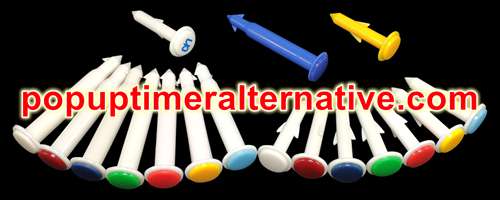
Why Global Food Companies Are Looking for Disposable Pop-Up Timer Alternative Manufacturers
Why Global Food Companies Are Looking for Disposable Pop-Up Timer Alternative Manufacturers
The global food industry continues to evolve, and companies are paying more attention to supply chain flexibility, manufacturing reliability, and long-term sourcing strategies.
As a result, more food manufacturers, distributors, and private label brands are exploring disposable pop-up timer alternative manufacturers instead of depending on a single traditional supply source.
The purpose is not simply to replace an existing supplier. The goal is to create a more reliable, flexible, and competitive supply solution.
The Changing Needs of Global Food Manufacturers
Food companies today face increasing pressure to maintain consistent quality while improving supply chain efficiency.
Several factors influence sourcing decisions:
- Need for stable product availability
- Growing demand for customization
- Supply chain risk management
- Cost control requirements
- Expansion into new markets
These changes encourage companies to evaluate additional manufacturing sources.
1. Supply Chain Diversification Has Become More Important
Many companies previously depended on a limited number of suppliers. However, modern procurement strategies increasingly focus on supply chain flexibility.
Working with alternative manufacturers can help companies:
- Reduce dependence on one source
- Create backup supply options
- Improve purchasing flexibility
- Respond faster to market changes
For businesses using disposable pop-up timers in large quantities, supplier diversification can become an important risk management strategy.
2. Companies Want More Direct Communication With Manufacturers
Many B2B buyers prefer working directly with specialized manufacturers because direct communication can improve cooperation efficiency.
Factory direct relationships may provide:
- Faster technical discussions
- Clearer product information
- Better understanding of production capability
- More efficient customization communication
Direct cooperation helps companies better understand their supply options.
3. OEM and Customization Requirements Are Increasing
Modern food brands and distributors often require products that match their own market strategies.
Standard products may not always meet specific requirements.
Alternative manufacturers are often evaluated for their ability to support:
- Custom activation temperatures
- Custom product colors
- Private label programs
- Customized packaging
- Special application requirements
Customization capability has become an important factor in supplier selection.
4. Companies Are Looking for Specialized Product Expertise
Disposable pop-up timers are specialized temperature indication products used in food applications.
Companies increasingly prefer suppliers that understand:
- Product structure
- Temperature activation technology
- Food industry applications
- Commercial production requirements
Specialized manufacturers can often provide deeper product knowledge than general suppliers.
5. Cost Optimization Goes Beyond Unit Price
One reason companies explore alternative manufacturers is cost improvement, but professional buyers look beyond simple price comparison.
Total sourcing value includes:
- Product consistency
- Production efficiency
- Communication quality
- Customization support
- Supply reliability
A suitable manufacturing partner helps companies improve overall purchasing efficiency.
6. Global Buyers Need More Flexible Production Options
Different markets may require different product specifications, packaging methods, or order structures.
A flexible manufacturer can support:
- Different order quantities
- Various packaging formats
- Multiple market requirements
- Long-term product programs
Production flexibility is especially valuable for international buyers serving different customers.
7. Food Companies Are Evaluating More Manufacturing Sources
Professional procurement teams rarely rely on only one supplier evaluation method.
They compare manufacturers based on:
- Technical capability
- Quality management
- Production experience
- Export capability
- Long-term cooperation potential
This approach allows companies to select suppliers based on overall value.
Why Alternative Manufacturers Are Different From Simple Resellers
When companies search for alternatives, they are usually looking for more than another seller.
A qualified alternative manufacturer should provide:
- Direct manufacturing knowledge
- Production capability
- Technical understanding
- OEM support
- Stable supply capability
The difference between a manufacturer and a reseller often becomes important during long-term cooperation.
How Companies Evaluate New Alternative Manufacturers
Before changing suppliers, professional buyers usually review several areas:
- Product samples
- Factory capability
- Quality procedures
- Customization options
- Communication efficiency
A structured evaluation process reduces risks and improves supplier selection.
Common Reasons Companies Avoid Changing Suppliers
Although companies may recognize the benefits of alternative suppliers, some hesitate because of transition concerns.
Common concerns include:
- Product compatibility
- Quality consistency
- New supplier verification
- Production transition management
A professional transition process can address these concerns effectively.
Frequently Asked Questions
Why do companies search for disposable pop-up timer alternative manufacturers?
Companies usually search for alternatives to improve supply flexibility, evaluate better manufacturing options, and reduce supply chain risks.
Are alternative manufacturers only chosen because of lower prices?
No. Buyers also consider quality, customization ability, production reliability, and long-term cooperation value.
What makes a good alternative manufacturer?
A good alternative manufacturer provides consistent quality, professional communication, manufacturing expertise, and reliable supply support.
Should companies have multiple qualified suppliers?
Many companies maintain alternative sources as part of their supply chain risk management strategy.
How can buyers evaluate a new manufacturer?
Buyers can evaluate manufacturers through product samples, technical discussions, production capability reviews, and quality assessments.
The Future of Disposable Pop-Up Timer Sourcing
As global food production becomes more competitive, companies will continue to seek manufacturing partners that provide reliability, flexibility, and specialized expertise.
Finding a disposable pop-up timer alternative manufacturer is not only about changing suppliers. It is about building a stronger supply strategy for future business growth.
For global food companies, the right manufacturing partner can provide greater confidence, improved flexibility, and long-term supply advantages.
Disclaimer: The term "pop up timer" is a commonly used generic product category name within the food thermometer industry. The disposable pop-up timers supplied through this website are manufactured by LIOU Manufacturing – PopNReady Brand, an independent China-based factory specializing in disposable pop-up timers and temperature indicators since 2006. This company has no affiliation, authorization, partnership, or connection with any other brand, trademark owner, or manufacturer.